

Permanent project
Healthy Eating
At our nursery school, nourishing children is also a way of educating them.
Rationale
Healthy eating is essential for children’s growth, development and well-being. In early childhood education, building good eating habits starts early and can contribute to a healthier, more conscious relationship with food throughout life.
That is why we see food not only as a basic need, but as a moment of care, learning, togetherness, autonomy and discovery.
Aim
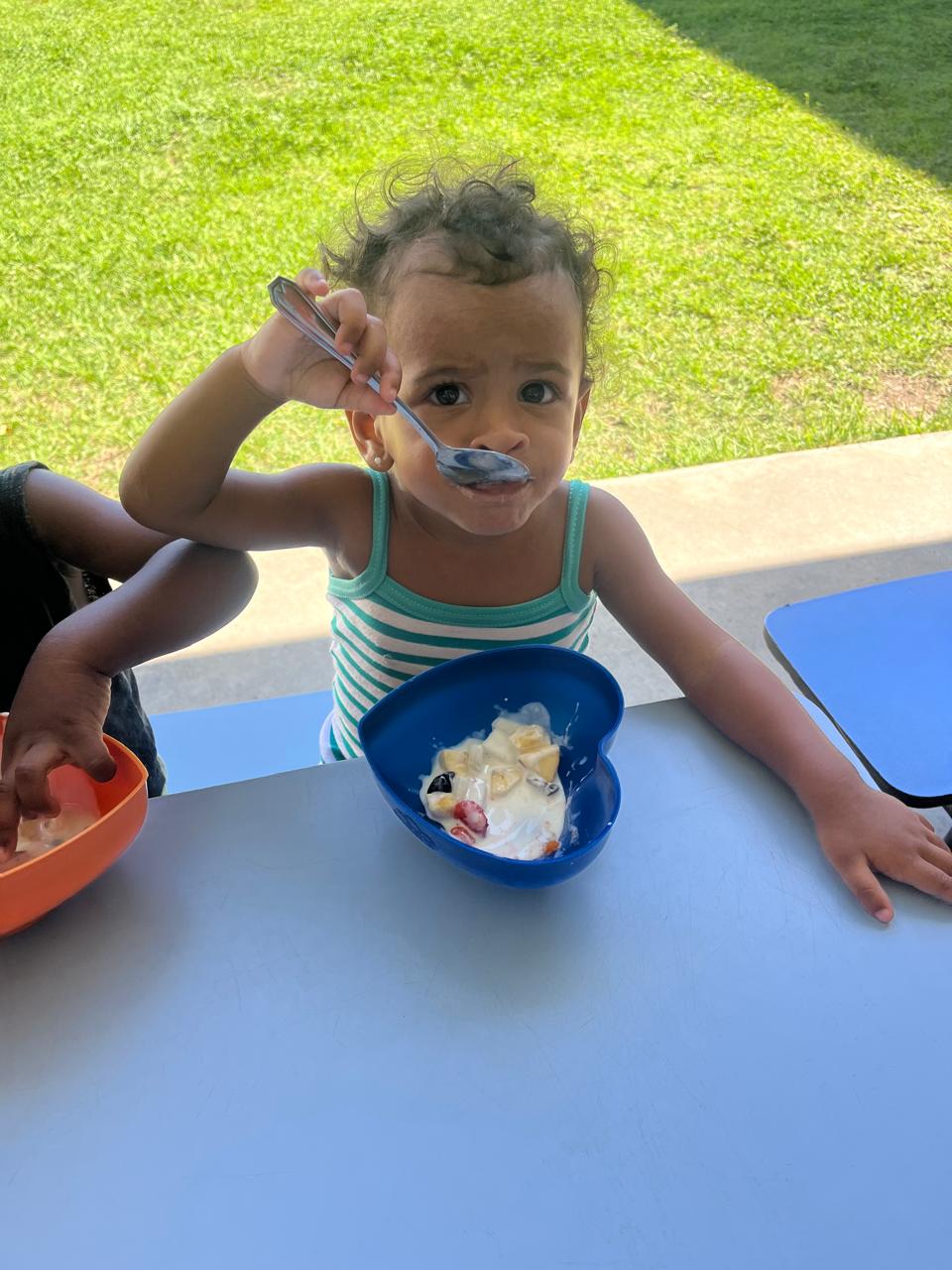
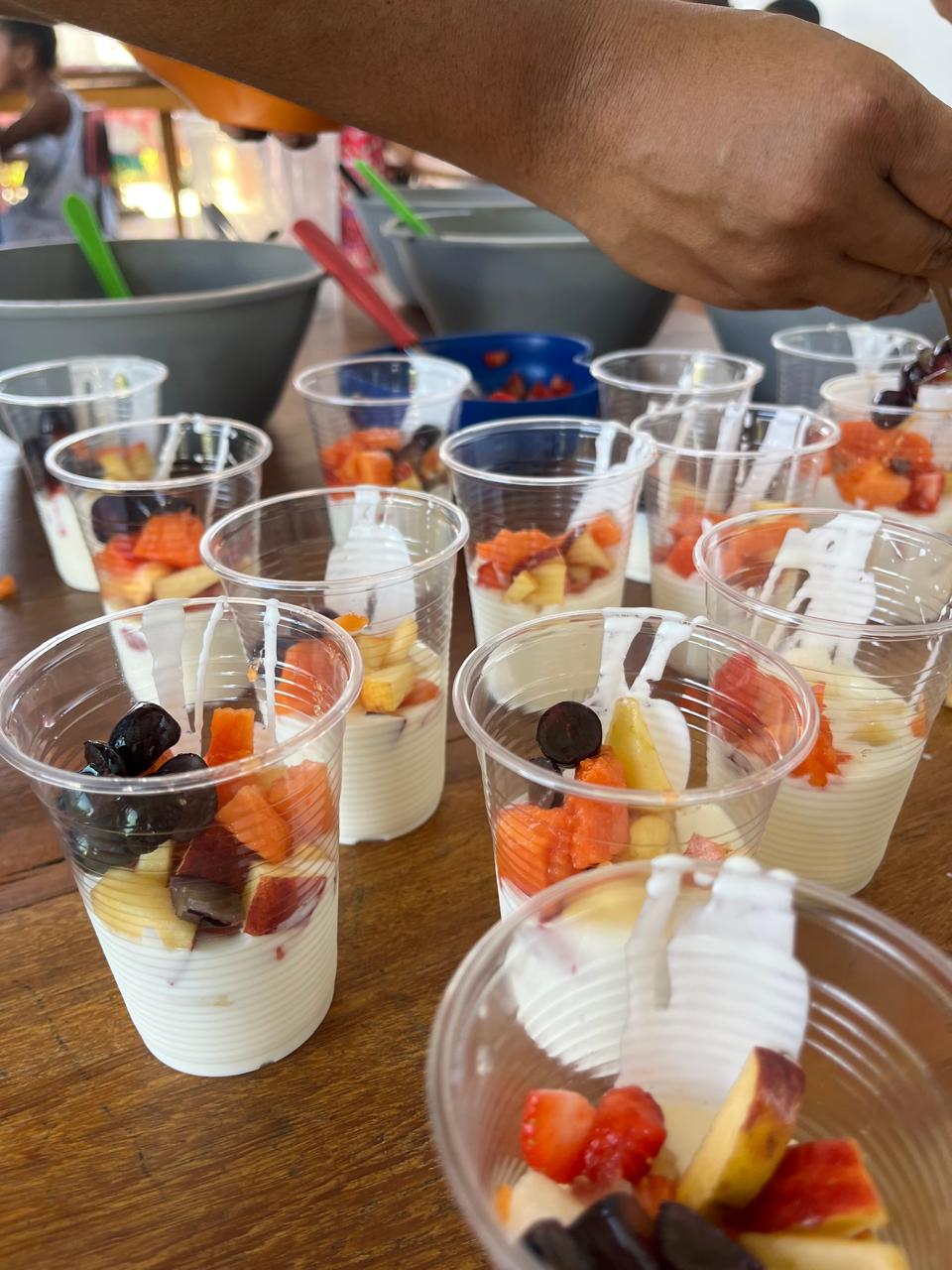
To promote healthy eating habits from early childhood, broadening the range of foods children know and encouraging, in a respectful and enjoyable way, the discovery of new flavours, smells, colours and textures.
We also aim to contribute to nutritional re-education, helping children build a positive relationship with food and gradually understand how important nutrition is for health and quality of life.
Food as part of the educational routine
At our nursery school, nourishing children is also a way of educating them.
7h30 – 17h
Full day
5
Meals a day
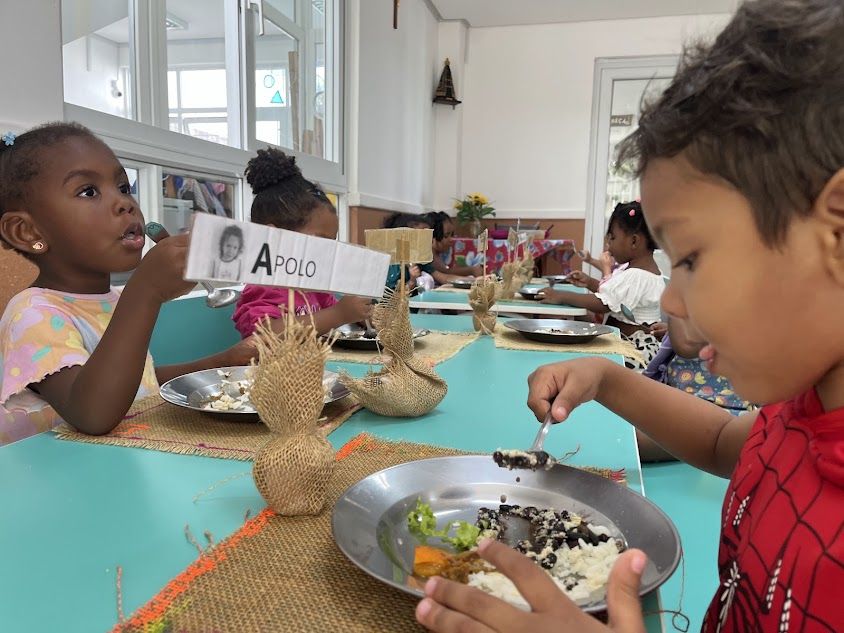
Children stay with us full-time, from 7:30 am to 5 pm, and receive five meals throughout the day. These moments are part of the educational routine and are seen as opportunities for learning, interaction and developing autonomy.
During meals we encourage children to get to know foods, try new flavours and notice their colours, smells, textures and different ways of preparing them. They also learn to look after themselves, gradually learning to use cutlery, eat more independently, share the table with others and recognise their own signs of hunger and fullness.
How it works
Work on healthy eating happens every day and goes beyond mealtimes. Children take part in:
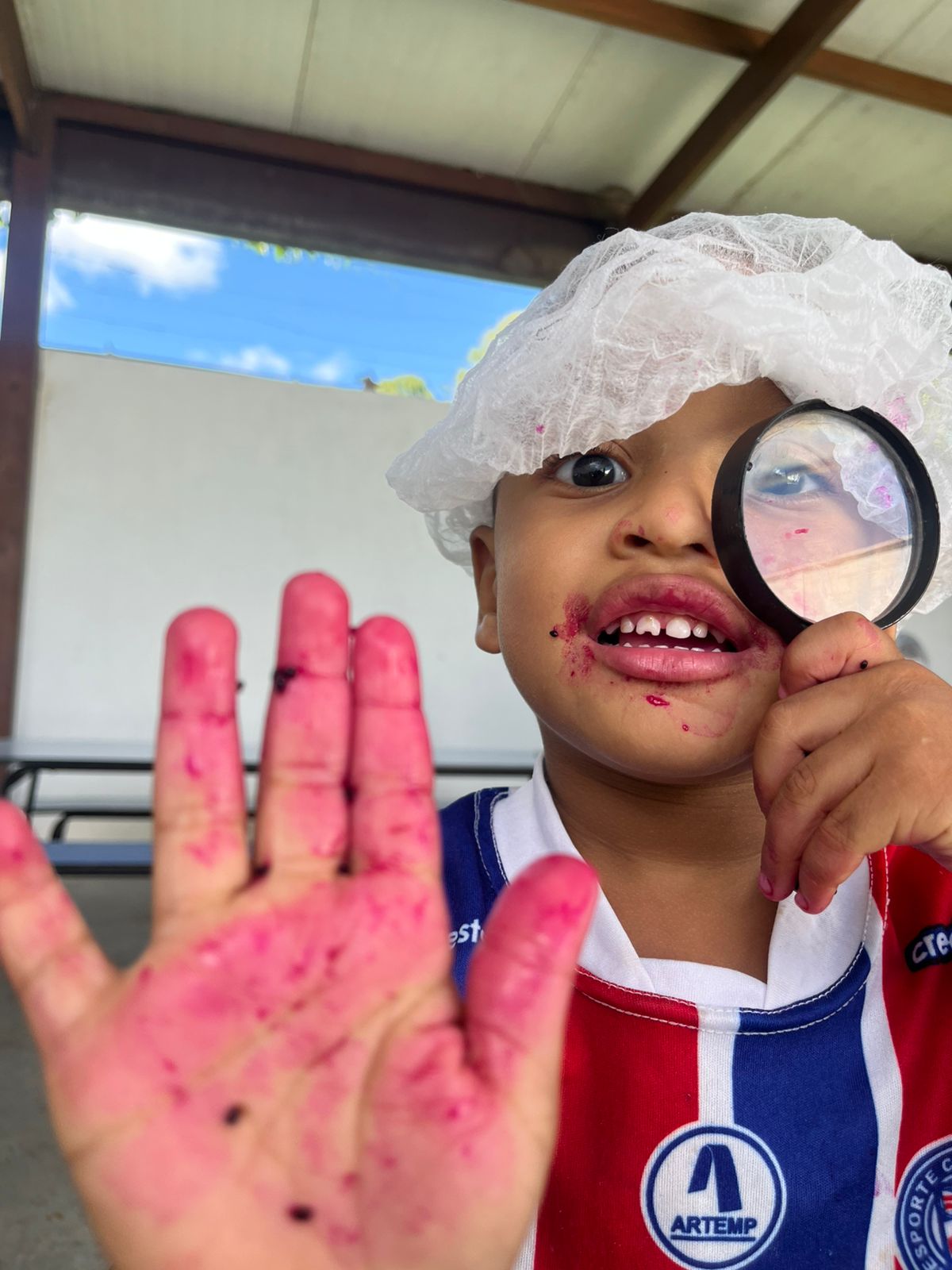
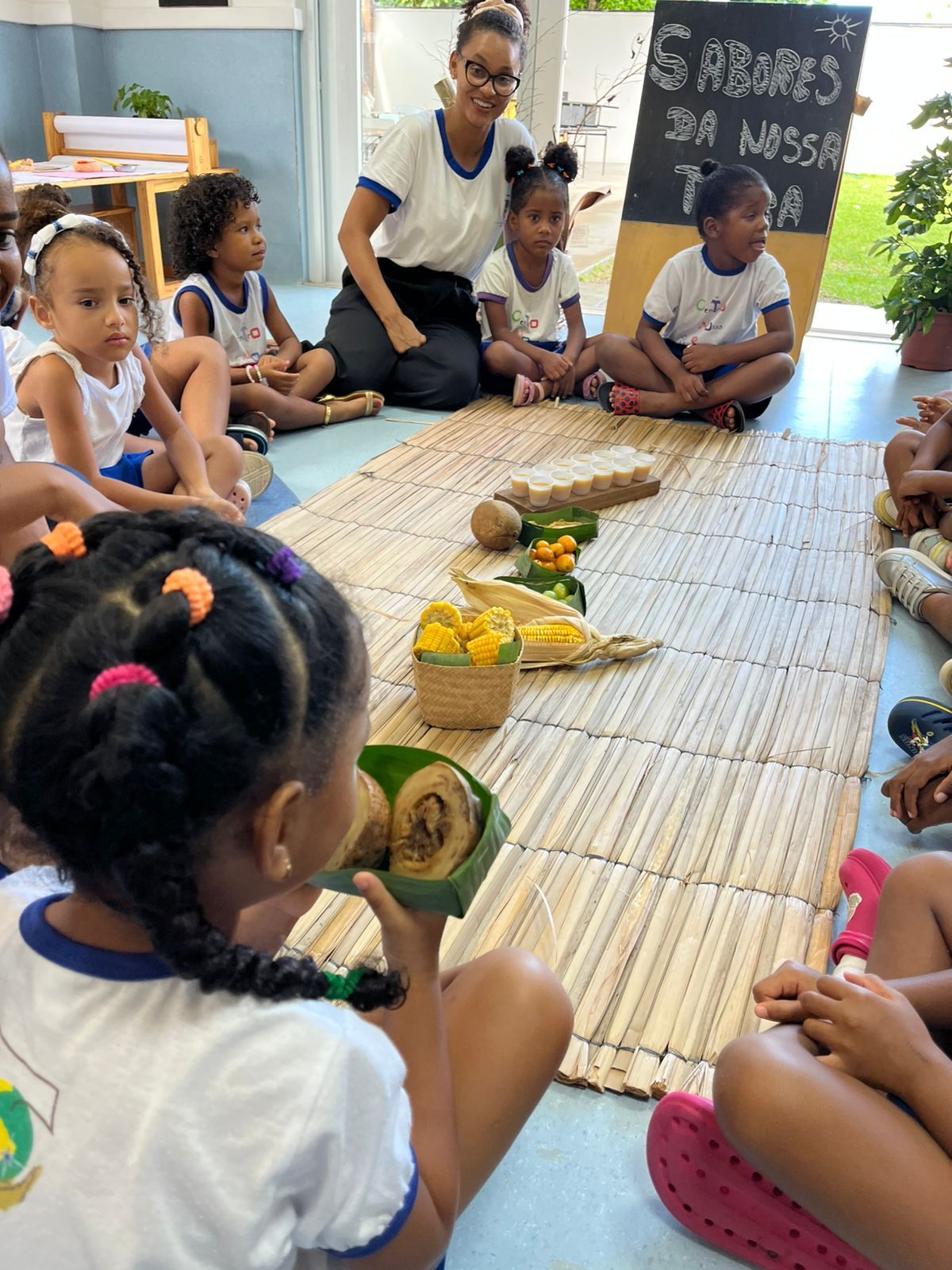
These experiences spark curiosity and the desire to try. Offering a frequent and varied range of foods also supports nutritional re-education.
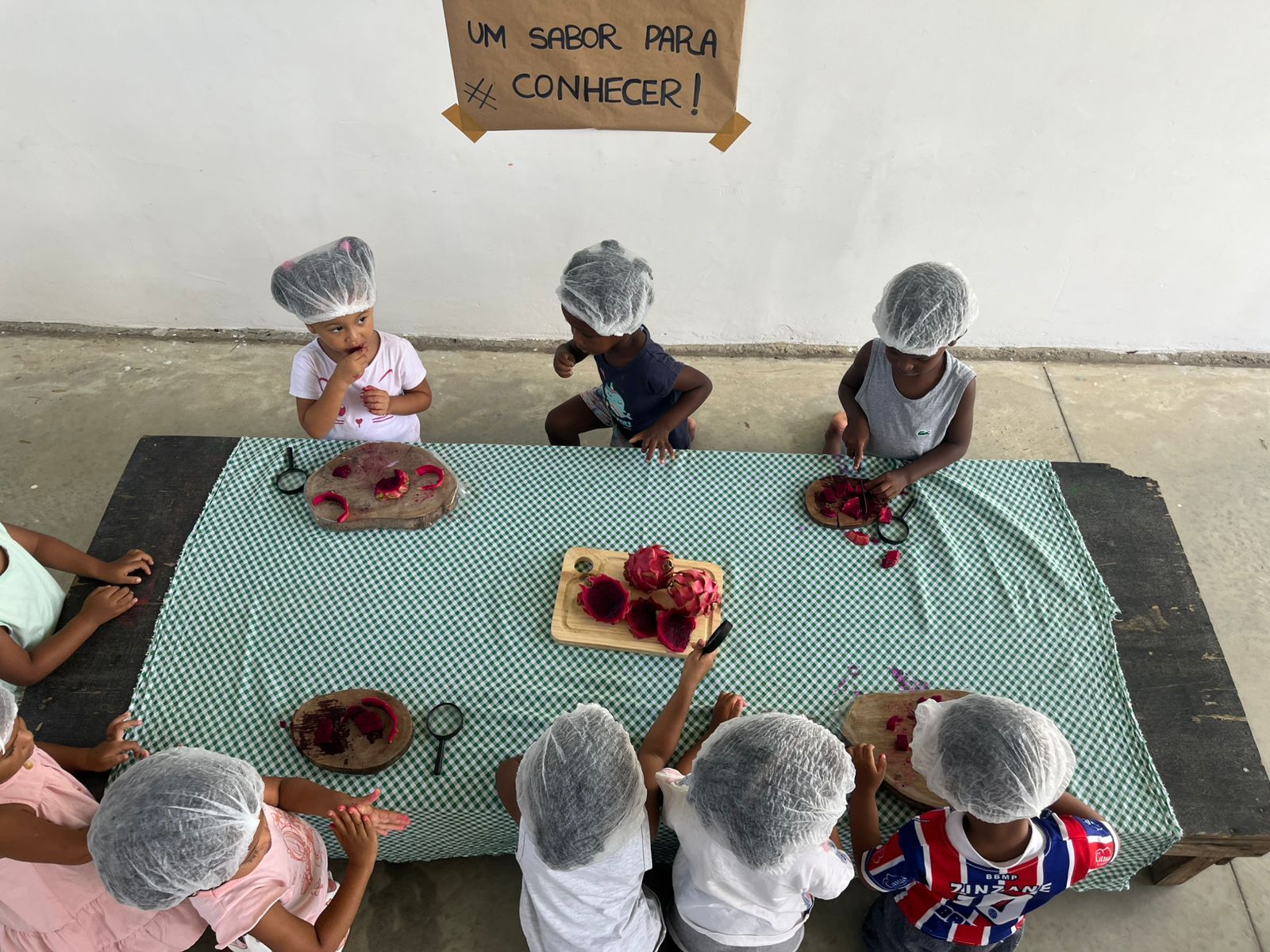
Without forcing anything and respecting each child’s pace and individuality, we encourage new food experiences, letting children observe, touch, smell and taste foods little by little.
Food also brings together the nursery school, families, culture and community. We value families’ knowledge and culinary traditions, recognising that food also carries stories, affection, identity and belonging.
In this way, we build an approach in which food, education, health and care go hand in hand, making every meal and every discovery an opportunity to learn and grow.
Healthy eating and nutritional re-education
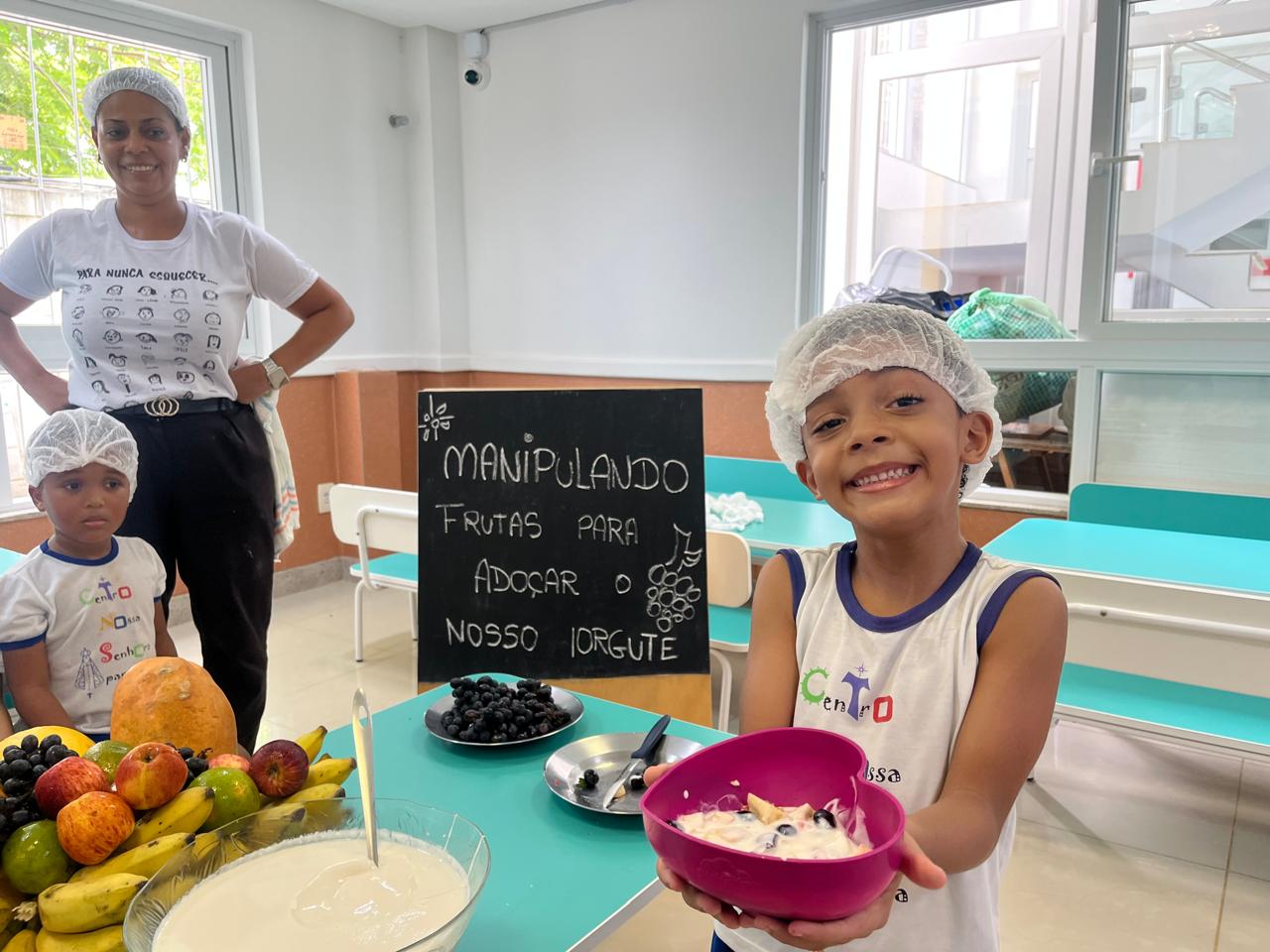
Healthy eating is part of every day at the nursery school, both at mealtimes and through playful, investigative experiences. Children are encouraged to get to know, observe, touch, taste and discover new flavours, colours, smells and textures, always respecting their pace, preferences and individuality.
A frequent and varied offer of healthy foods, combined with experiences in the garden, cooking, exploring food and shared meals, helps broaden the range of foods children know and supports the gradual acceptance of new ones.
This process supports nutritional re-education, helping children build a more positive and conscious relationship with food, reducing resistance and encouraging healthier choices. In this way, eating is no longer just a moment of care, but also an important experience of learning, autonomy, togetherness and health promotion.
The project in pictures
From the garden to the plate
Time in the garden is part of the children's food education journey.