

Nursery School of the Centro Nossa Senhora Aparecida
Our Methodology
The child as the protagonist of their own learning process — interaction, play, experience and relationship as the foundations of overall development.

A socio-interactionist approach
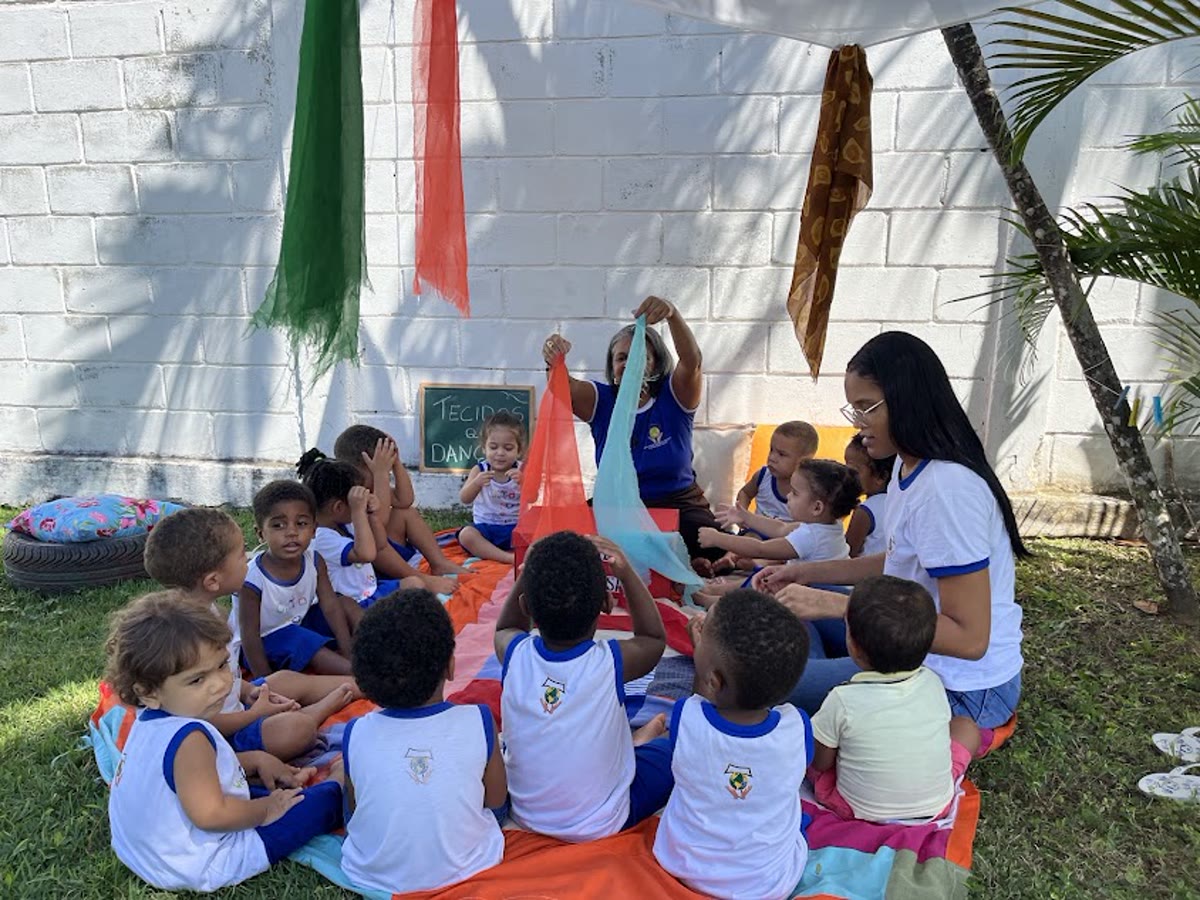
Our methodology is inspired by Participatory Pedagogies and the Reggio Emilia approach, which value the child as the protagonist of learning and ensure that children learn through play, experiences, interactions and everyday discoveries.
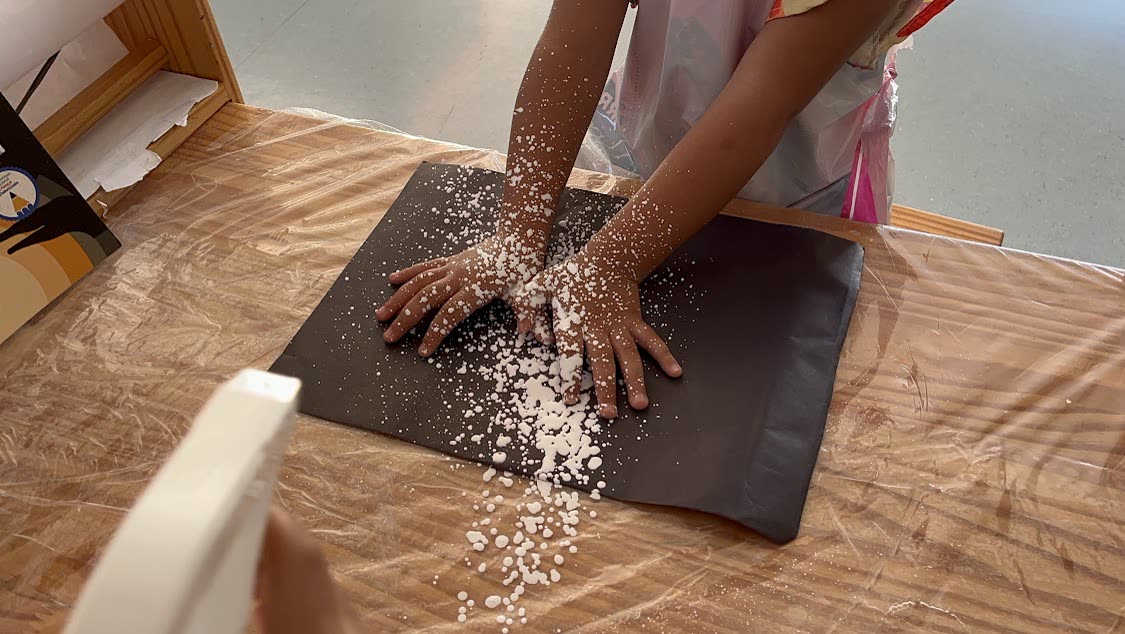
That is why we listen carefully to their interests, ideas and needs, planning activities that respect each child's own pace and individuality. We value different forms of expression, such as drawing, painting, music, movement, language and play.
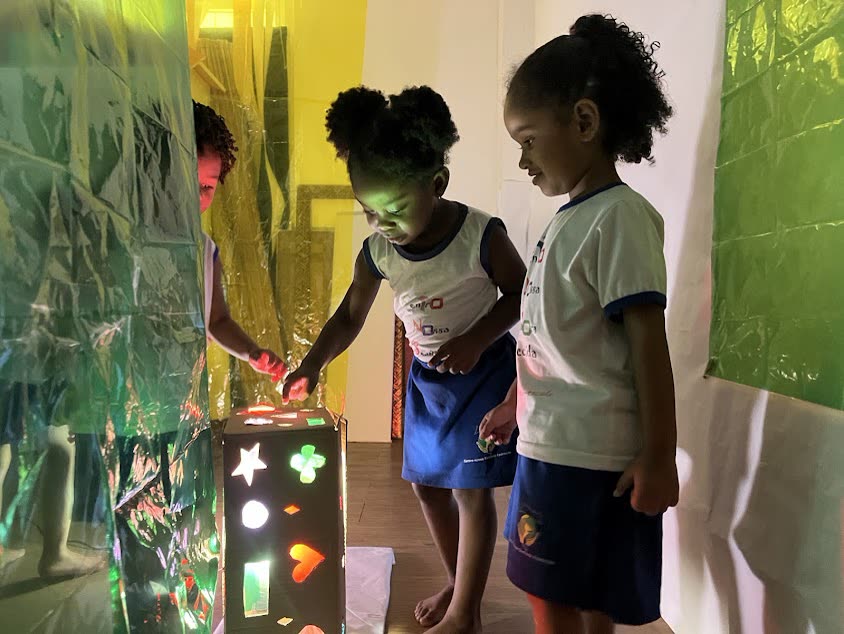
We also understand that spaces educate. That is why we organise welcoming environments rich in possibilities for exploration and learning. Investigative contexts and the atelier are important spaces for children to research, create, experiment and build knowledge in a meaningful way.
With this educational approach, we seek to offer experiences that strengthen children's autonomy, creativity, participation and overall development, helping them build a future with more opportunities, dignity and hope.

The theoretical foundations
Our work is based on a plurality of pedagogical references — from Piaget to Vygotsky, as well as Giussani, Ferreiro and Malaguzzi — understanding that child development happens holistically, through the interaction between the child, others and the world.
Luigi Giussani
Centrality of the person.
Jean Piaget
The child develops gradually, in stages, within an interactionist perspective.
Lev Vygotsky
Knowledge is the result of mediation between the subject and their environment.
Emília Ferreiro
Every child goes through four stages on the way to literacy: pre-syllabic, syllabic, syllabic-alphabetic and alphabetic.
Loris Malaguzzi
The child is the protagonist, at the centre of the process.
The pillars of our methodology
Every element of our work stems from an integrated vision of child development.
The Child as Protagonist
We recognise the child as an active subject of their own learning, capable of thinking, creating, investigating and building knowledge from their own experiences.
Relationships of Care, Affection and Belonging
We foster safe and welcoming bonds, strengthening trust, coexistence, respect and a sense of belonging.
Healthy Eating and Wellbeing
We consider healthy eating a fundamental part of children's overall development. We encourage healthy eating habits, moments of sharing and experiences that promote care for oneself, for others and for life.
Learning through Experience and Play
We believe children learn by exploring, playing, investigating, experimenting and interacting with the world around them.
An Environment that Educates
We organise welcoming, inspiring and stimulating spaces that foster autonomy, curiosity, discoveries and meaningful learning.

Our inspiration
Reggio Emilia Approach
The Reggio Emilia Approach is an educational philosophy born in Italy in the 1960s, developed by Loris Malaguzzi and the communities of Reggio Emilia. Today it is internationally recognised as one of the most innovative models of early childhood education.
The Centro Nossa Senhora Aparecida does not define itself as a Reggio Emilia school, but since 2018 this approach has been a deep source of inspiration guiding its daily educational work.
"To make a school that is lovable, hardworking, inventive, livable, documentable and communicable."
— Loris Malaguzzi

Participatory pedagogies
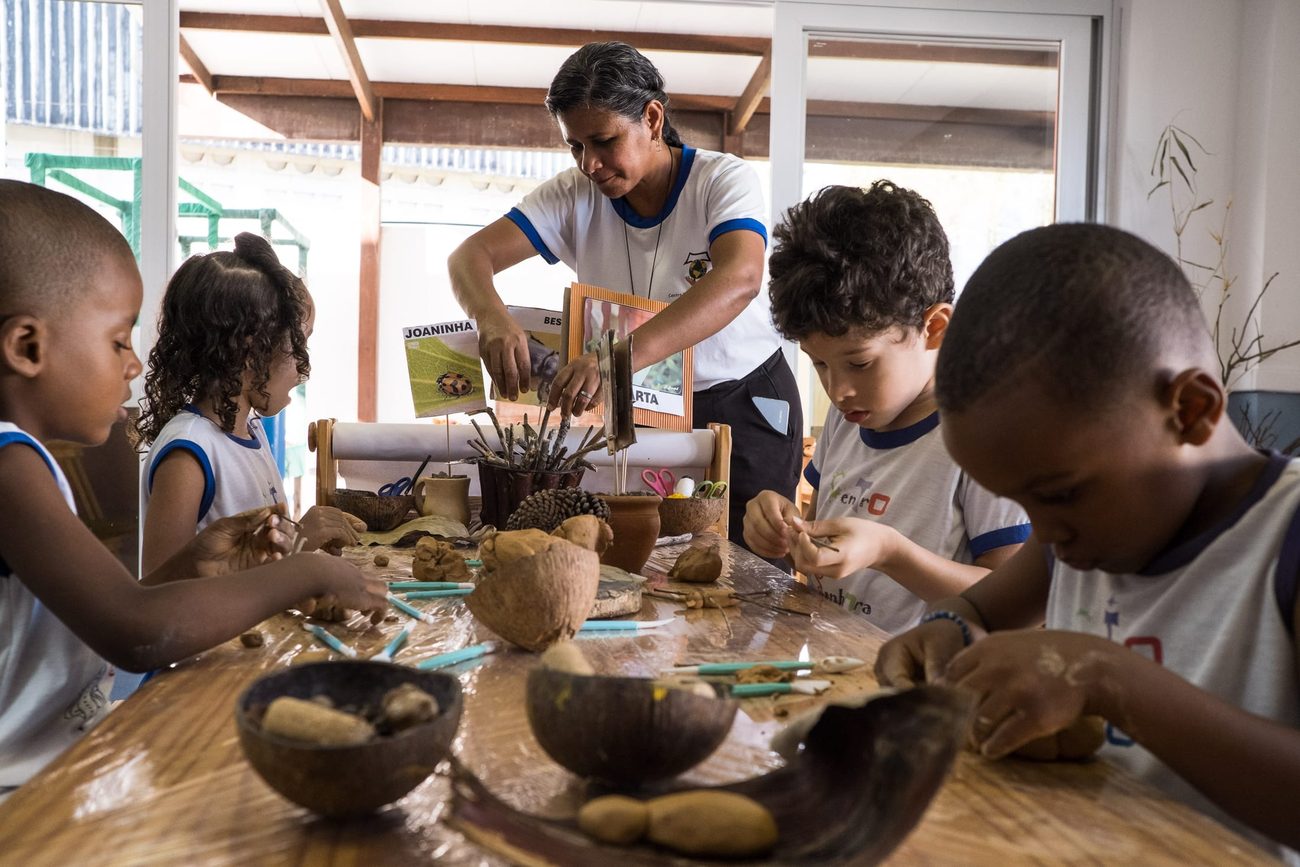
Our practice is also inspired by Participatory Pedagogies, which encourage sensitive listening, respect for childhood and children's participation in planning and carrying out activities.
The child is not a passive recipient: they are listened to, valued and invited to actively take part in building their own educational experiences.
A curriculum founded on experience
The curriculum of the Centro Nossa Senhora Aparecida is based on the learning rights and fields of experience proposed by the BNCC. The main axes are: interaction, play, experience, relationship and exploration.
The self, others and us
Body, gestures and movements
Traits, sounds, colours and shapes
Listening, speech, thought and imagination
Spaces, times, quantities, relationships and transformations

Pedagogical Exhibitions
The Pedagogical Exhibitions are important moments in our educational approach, as they allow us to share with families and the community the experiences, discoveries and learning the children have lived throughout the year.
Through photos, documentation, creations, words and projects developed by the children, we make visible the learning journey of each group, valuing their efforts, achievements, curiosity and ways of thinking.
More than presenting results, the exhibitions reveal the processes lived by the children, showing how they learn, investigate, create, play and build knowledge in everyday life. They also strengthen the partnership between the nursery school and families, who come to know and value even more the experiences that are part of their children's childhood.
In this way, the Pedagogical Exhibitions become an important tool for documenting, celebrating and valuing children's learning.
Ongoing training for our teachers
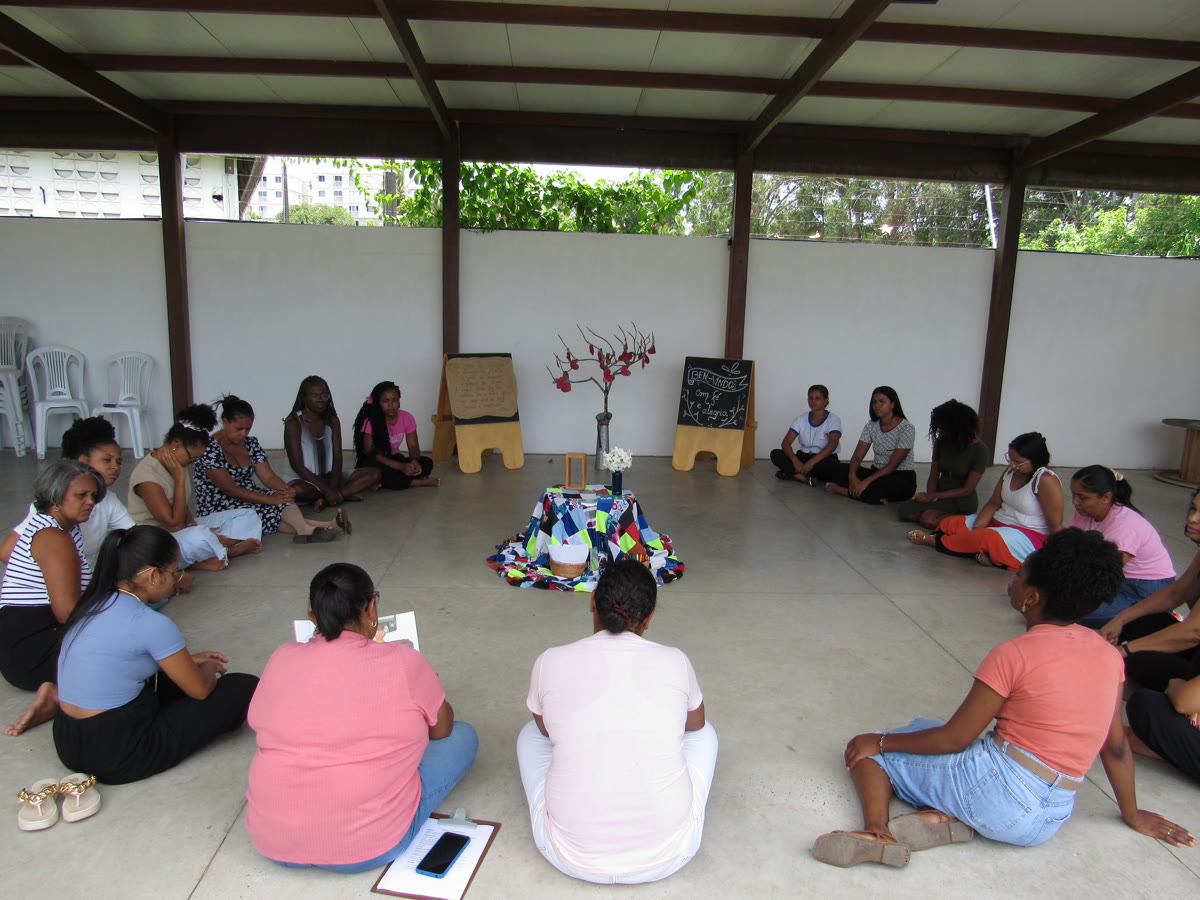
We believe that ongoing teacher training is fundamental to the work we carry out at the nursery school. That is why we promote this process on a permanent basis, ensuring moments of study, reflection and exchange of experience within the team.
Once a month we hold ongoing training for our teachers, believing that educators always need to be in a process of learning. These sessions strengthen pedagogical practice and help further improve the work carried out with the children.
We value a teacher who is attentive to the needs of every child, respecting their pace, their ways of learning and their different ways of expressing themselves.
We also encourage teachers to be enthusiastic and creative, to plan meaningful experiences with intentionality that awakens curiosity and encourages children's exploration, play and expression. In this way, ongoing training contributes to work that is more sensitive, human and committed to children's overall development.
Educating for life
The educational work also addresses important cross-cutting themes for children's growth and for building a fairer, more aware community.
- ethnic and racial education
- inclusive education
- attention to gender in early childhood
- violence prevention
- environmental education

Learn more about our approach
Our methodology comes to life every day in the spaces, relationships and activities of the nursery school. Discover how it takes shape in the Centre's daily life.